Have you ever felt that you’ve completely turned off vibration on your phone, yet the phone still vibrates slightly?
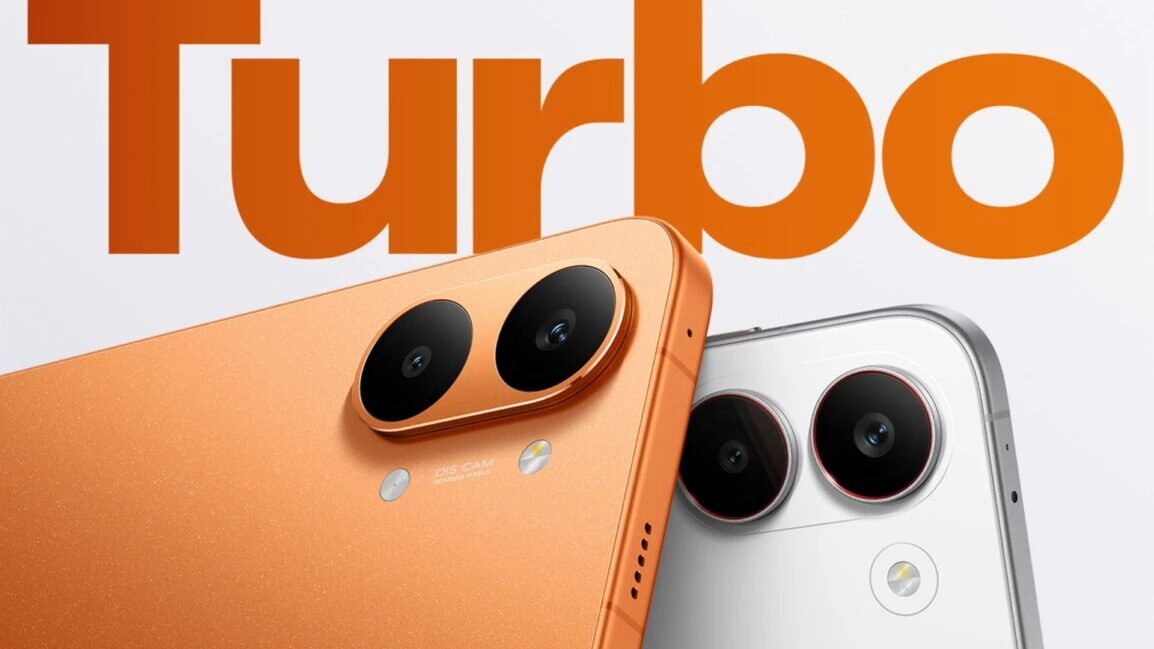
A similar issue came to light with REDMI K90 users, which Xiaomi itself acknowledged in its January 31 China Weekly Bug Report.
This wasn’t a hardware defect, but a software logic bug that seems small at first glance, but reveals quite a bit about the system design.
In the REDMI K90 with firmware version 3.0.300.4, it was observed that:
- The user had turned off vibration from the Control Centre or Settings.
- Yet some system apps were still producing vibrations.
The meaning is clear:
The system said “vibration off,” but the apps didn’t listen.
What was wrong with the Weather App?
If you open the Weather app and swipe forcefully upwards, you feel a slight “jerk.”
This normally indicates the scroll limit.
But the problem here was that:
- The Weather app’s scroll system wasn’t checking whether vibration was globally turned off or not.
- Vibration was being triggered as soon as the end of the scroll was reached.
In simple terms The Weather app triggered vibration without asking for permission from the system.
The case was slightly different in the Gallery/Photo Album
Here, the story gets even more interesting.
Xiaomi had introduced some new architecture inside the Gallery (or Photo Album) app in this firmware. But a basic thing was missed in that new design:
- The app didn’t check with the system whether vibration was enabled or not.
- It was assumed by default that vibration was ON.
Because of this, vibration continued to occur on gestures like swiping up, even if the user had turned off system-level haptics.
This is a classic example of forgetting to relink global settings when writing new code. How did Xiaomi fix this?
However, Xiaomi quietly patched this bug, but the method is quite solid.
Now:
- The global haptic toggle has been made the “final authority.”
- The Weather app’s scroll engine can no longer directly call for vibration.
- The Gallery/Photo Album’s new UI will also first check with the system before providing vibration.
My Opinion
This bug wasn’t related to performance or security, yet it shows that:
- System-level settings are critical.
- A small oversight in modular apps can break the user experience.
- Even brands like Xiaomi can sometimes miss things in integration testing.
Also Read:
Global Xiaomi Phones Get China-Level Smoothness With HyperOS 3 Update
HyperOS 3.1 Supported Devices: Supported Devices, Features, and Update Timeline
Xiaomi HyperOS 3 Fixes Camera Blur and App Issues on These 5 Devices
Xiaomi Rolled out HyperOS 3.1 Beta Program For 12 More Devices: Full List Inside
(Source)